The Bureau of Customs, Philippines (BOC) is an agency of the Department of Finance. It is charged with delegating and collecting customs profit, curbing illicit trade and all forms of customs fraud, and conducting trade through an efficient customs management system. In this video, I talk about customs in the Philippines. Lots of people smuggle stuff into the Philippines, the trick is not getting caught.
History of Customs in the Philippines
Historical records show that the customs service in the Philippines began centuries back. Long before it was discovered during the western expeditionary. The Philippines already had a flourishing trade agreement with countries of Southeast Asia. But since money at that time wasn’t the medium of exchange, people resorted to the barter system of commodities.
The leaders of the barangays were known as the datu or rajahs. They collected bribes from the people before they were allowed to engage in trade. The practice of collecting bribes became part of their culture. It was then observed and followed as the Customs norm of the Land. It had become another form of corruption as we know it today.
The Spanish Regime
After Spain had taken full control of almost all the trades of the Philippines, it passed three important rules:
Spanish Customs Law was similar to the Indies which was enforced in the country from 1582 to 1828. It was a concept of Valorem levied on import and export trades across the country.
A Tariff Board was established which agreed upon a tariff of set values for all imported articles. Which ten percent ad valorem duty, or in other words “tax” were uniformly collected from both parties.
Another Tariff Law was introduced in 1891. Which established the specific duties on all imports and certain exports. This lasted till the end of the Spanish rule in the Philippines.
The American Regime
When the Americans finally came to the Philippines, the Military Government continued to enforce the Spanish Tariff Code of 1891. It remained in effect until the Philippine Commission enacted the Tariff Revision Law of 1901.
On October 24, 1900, the Philippine Commission passed Act number 33 abolishing and changing the position of Captain of the Port to Collector of Customs in all ports of entry except the Port of Manila. This was when the designation of the Captain of the Port in the Port of Manila was retained.
When the Civil Government was established in the Philippines, the most prominent laws passed by the Philippine Commission were the following:
Tariff Revision Law of 1902 was based on the theory that the laws of Spain were not as comprehensive as the American Customs Laws to conform with the existing conditions of the country.
The Philippine Custom Services
Philippine Administrative Act Number 355 was passed by the Philippine Commission on February 6, 1902. The full implications of this Act were considered inadequate and incomplete, so the Customs Service Act number 355, going by the name of Philippine Customs Service Act was passed to amend the past laws. After several modifications and amendments, the Philippine Customs Service finally became a practical subsidiary of the American Customs Service.
Act number 357 reorganized the Philippine Customs Service and officially designated the Insular Collector of Customs as Collector of Customs for the Port of Manila.
Act number 625 removed the Captain of the Port for the Port of Manila.
Public Act number 430 transformed the Philippine Customs agency to a Bureau of Customs and Immigration under the supervision and control of the Department of Finance and Justice.
When the Department of Justice became a separate office from the Department of Finance, the customs service remained under the control of the latter which remains the same at this time.
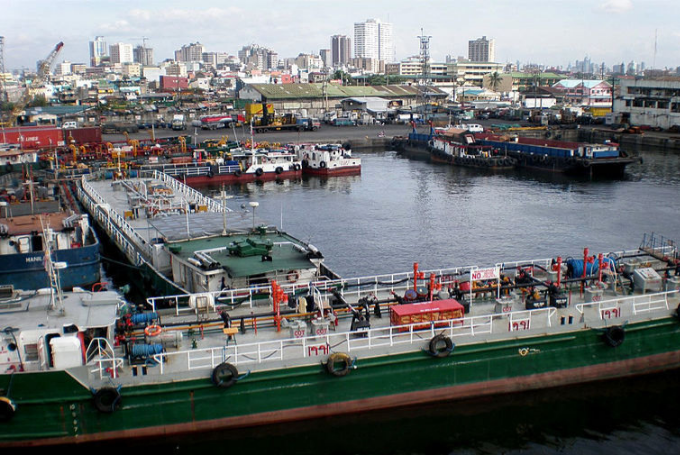
Philippine Customs Regulations
The beauty of doing business in the Philippines and dealing with Philippine Customs Regulations and
Philippines Import Export Procedures is that they are all done in ENGLISH.
You can research the specific question you have for your anticipated import/export business and find most answers online. Then you can go directly to the Bureau of Customs, Philippines to get the rest of your answers and…make connections.
The corruption is always running just before the surface and a few careful questions will help you discern who can help, will help. Then it’s time for a lunch invitation where you can talk specifically about how it will work for your situation.
We once had a Chinese smuggler who would bring in BMW’s for us. He put it this way. “In some countries the corruption is in the skin, other countries it’s in the flesh. In the Philippines the corruption is in the BONES’ . 😃
For more information on the Philippines import and export procedures, Bureau of immigration, government corruption, and general information about these topics check out the youtube video above. If you would like to learn more. Come see us at BADLADZ Beach Resort, and we would love to talk with you and offer helpful advice during your stay in the Philippines.
Cheers,
Sean